



In today's world, monitoring a single aspect of water quality isn't enough. Whether you're managing an aquaculture farm, a wastewater treatment plant, or a hydroponic setup, you need a complete picture. This is where multi-parameter water quality monitors become indispensable.
But with so many options on the market, how do you select the right one? Choosing the wrong device can lead to inaccurate data, frequent maintenance, and ultimately, operational failures.
This guide will walk you through the key considerations, from core parameters to design features, to help you make an informed decision for your specific needs.
Understanding the Core Parameters: What Do You Need to Measure?
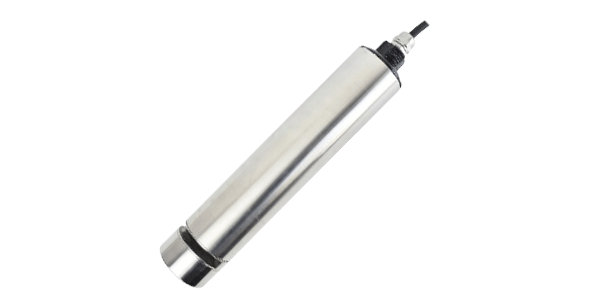
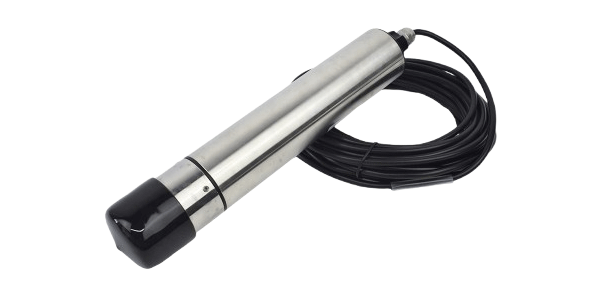
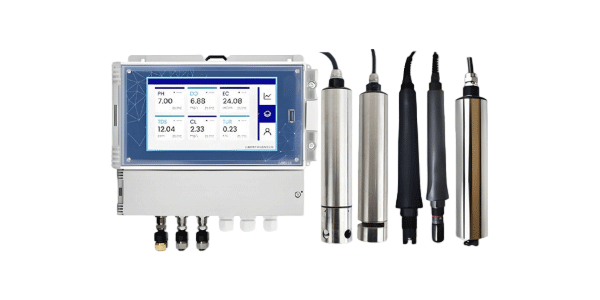
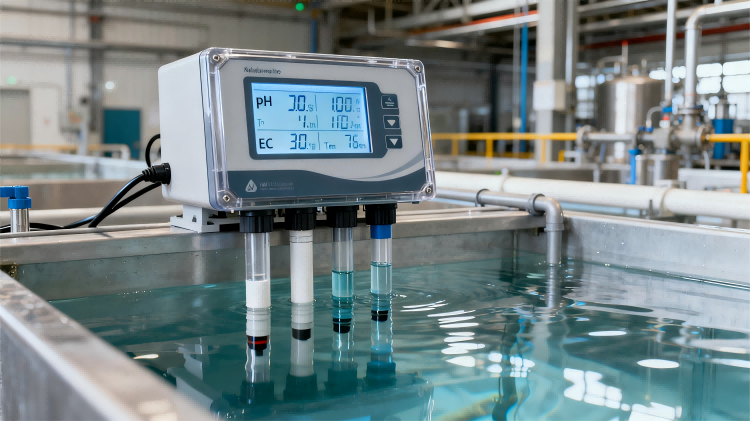
The first and most critical step is to define which parameters are essential for your process. A multi-parameter monitor like the GWQ-MP100 Multiparameter Water Quality Meter typically integrates several sensors into a single unit. Here are the most common ones:
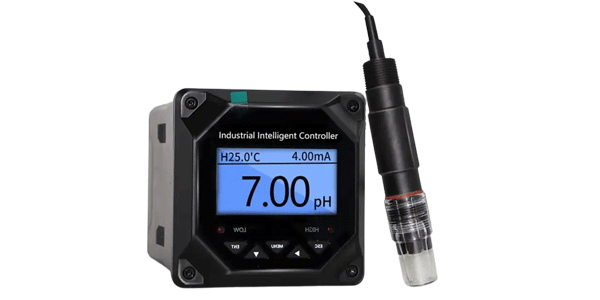
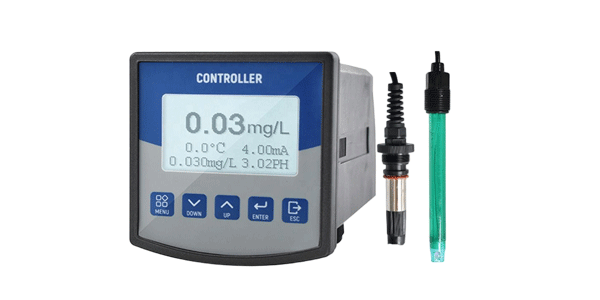
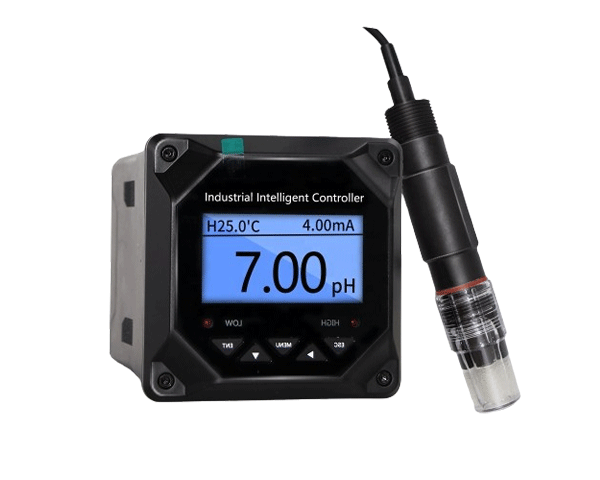
- pH: Measures the acidity or alkalinity. Critical for chemical dosing, biological processes, and aquatic life health.
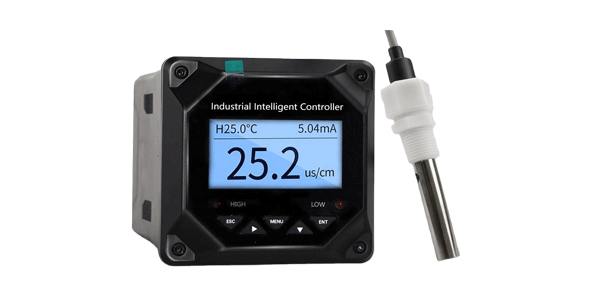
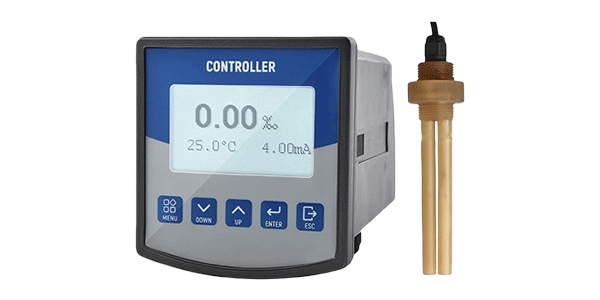
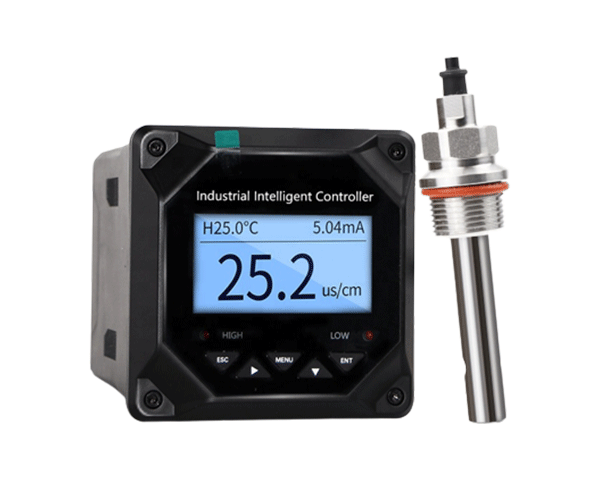
- EC (Electrical Conductivity) / TDS (Total Dissolved Solids): Indicates the concentration of ions in the water. Vital for agriculture, hydroponics, and purity checks.
- ORP (Oxidation-Reduction Potential): Measures the water's ability to break down contaminants. Essential for disinfection processes (e.g., chlorination).
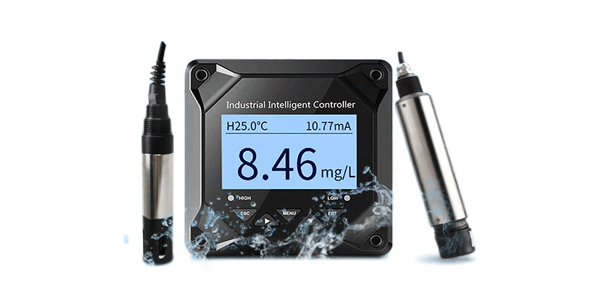
- Dissolved Oxygen (DO): Crucial for aerobic wastewater treatment, aquaculture, and environmental monitoring.
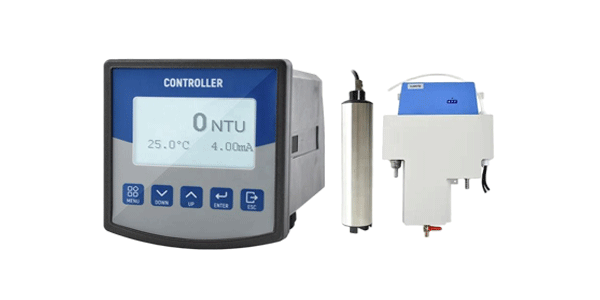
- Turbidity: Measures water clarity, which is key for assessing runoff, filter performance, and overall water quality.
Key Selection Criteria for Your Multi-Parameter Monitor
1. Application and Environment
The environment dictates the device's required durability. Ask yourself:
- Is this for a harsh industrial setting or a controlled laboratory?
- Will it be exposed to the elements? What is the temperature range?
- Is the unit rated for IP65/IP67 for dust and water resistance?
2. Sensor Technology and Accuracy
Not all sensors are created equal. The required accuracy depends on your process criticality.
| Application | Recommended Accuracy |
|---|---|
| Rough Screening / Process Control | Moderate (e.g., pH ±0.1) |
| Regulatory Compliance, Research | High (e.g., pH ±0.01, DO ±0.1 mg/L) |
3. Output and Communication Options
How will the data get to your control system or operators? Look for:
- Analog Outputs: 4-20mA or 0-10V signals for simple integration with PLCs and SCADA systems.
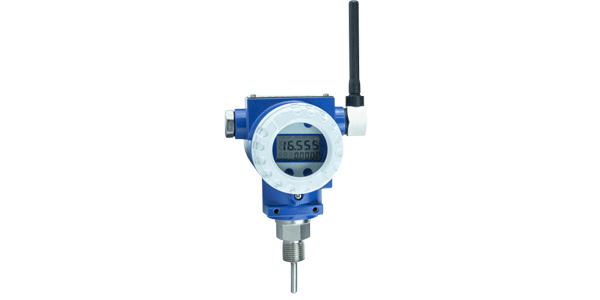
- Digital Communication: MODBUS RS485, Profinet, or Ethernet/IP for robust industrial networking.
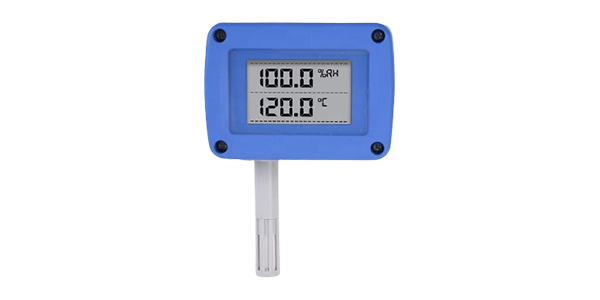
- Local Display: A clear, backlit digital display for on-site readings is highly valuable.
4. Maintenance and Calibration
All sensors require maintenance. Consider the ease of:
- Calibration: Are on-screen calibration prompts available? How many points are needed?
- Sensor Replacement: Can you replace a single sensor, or must you replace the entire unit?
- Cleaning: Is it designed for easy cleaning to prevent fouling?
Making the Final Decision: A Quick Checklist
Before you make a purchase, run through this list:
- ✅ I have defined my essential parameters (pH, EC, etc.).
- ✅ I have verified the accuracy and range meet my process requirements.
- ✅ The housing and IP rating are suitable for my environment.
- ✅ The output signals are compatible with my data collection system.
- ✅ I understand the maintenance schedule and cost of ownership.
Investing in the right multi-parameter water quality monitor from the start saves time, money, and ensures the integrity of your process. By focusing on your application's specific needs and carefully evaluating the technical features, you can select a device that delivers reliable data for years to come.